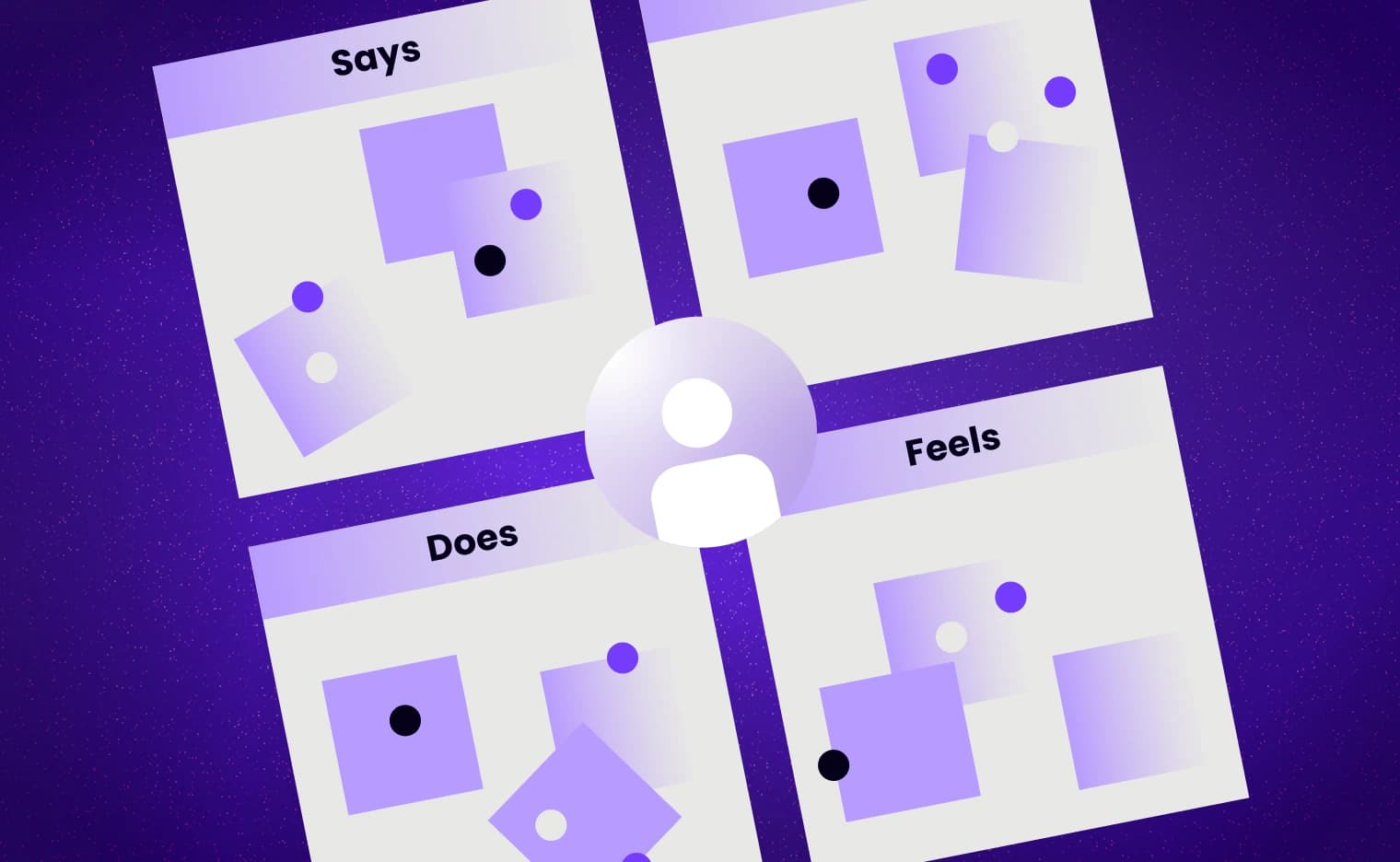


If you've ever wondered why some apps feel like second nature while others leave you scratching your head, the answer often lies in strategic UX/UI designs. These aren't just pretty interfaces, they're carefully planned experiences that put your customers first. Let's unpack what this means, why it matters, and how you can make it work for your business.
Understanding Strategic UX/UI Designs
Let's break it down. "UX" stands for user experience—it's all about how smooth, intuitive, and enjoyable the journey is when someone uses your product or service. "UI" is the user interface—the visual stuff like colors, buttons, typography, and overall style that users interact with.
The "strategic" part? That means every detail is thought through, aligned with your business goals, customer needs, and backed by research. It's not just making things look good; it's making them work well for both your users and your bottom line.
Tip:
Want to know how research shapes design? Check out this guide on choosing the right UX research for your product or service.
Why Strategy Matters in UX/UI
Imagine building a house without blueprints. You might end up with a beautiful facade, but the rooms don't flow, the plumbing is a mess, and nothing makes sense. That's what happens when you design without a strategy.
A solid plan helps you:
- Define clear objectives
- Prioritize user needs
- Create a scalable, consistent experience
When you invest in strategic UX/UI designs, you're not just creating something that looks nice—you're building products that solve real problems and keep users coming back.
CX Design: Going Beyond Screens
Customer Experience (CX) design takes things a step further. It's not just about individual screens or interactions; it's about the entire relationship between your brand and your users. This includes everything from support channels and onboarding to how you handle feedback and complaints.
When you pair CX design with UX/UI, you create a seamless flow from that first click all the way to a loyal customer. Every touchpoint matters, and strategic design ensures they're all working together.
Benefits of Strategic UX/UI & CX Design
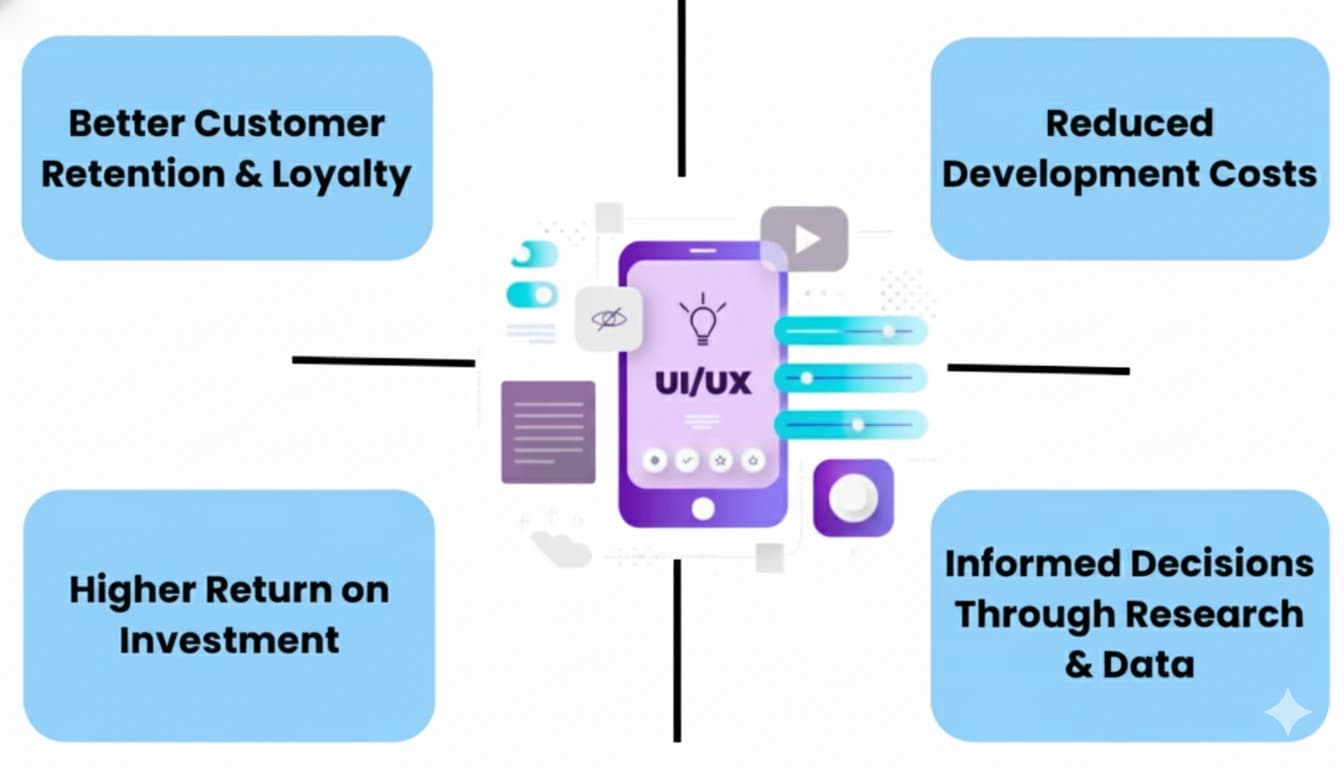
1. Better Customer Retention & Loyalty
When products are intuitive and frictionless, customers stick around. According to UserTesting, positive customer journeys increase satisfaction and loyalty. Companies that lead in Customer Experience (CX) often see much higher revenue growth—some outperforming their peers by as much as 80% when they prioritize customer experience design.
2. Reduced Development Costs
Fixing problems during research and design phases is far cheaper than after launch. A well-planned strategy minimizes redesigns and wasted effort by catching usability issues early. Research-led decisions prevent costly mistakes before they become expensive problems.
3. Higher Return on Investment (ROI)
Investing in great UX/UI design is an asset, not a cost. Satisfied users tend to spend more, recommend your product, and boost your bottom line. CX Leaders—companies with top customer experience ratings—often generate stock returns and business growth significantly above average.
4. Informed Decisions Through Research & Data
Strategic designs thrive on data. From mood boards to AI-powered tools, research keeps creativity grounded. Curious about the process? Explore how mood boards help shape design direction or learn about practical uses of AI in UX research.
How to Approach Strategic UX/UI & CX
Here's a roadmap to start:
- Understand Your Users - Conduct interviews, surveys, and usability tests.
- Map the Journey - Identify pain points and opportunities across every touchpoint.
- Prototype and Test - Build wireframes, gather feedback, and refine.
- Align With Business Goals - Keep every design choice tied to measurable outcomes.
For a deeper look at blending design and research, read about the relationship between UX design and research.
Bringing It All Together
Think of strategic UX/UI designs and CX design as the bridge between what your business offers and what your customers need. They turn good ideas into usable, lovable products.
Whether you're a startup or an established brand, taking a research-led, customer-focused approach will save time, delight users, and grow your business.
Conclusion: Designing With Purpose
Strategic UX/UI and CX design isn't just about making things look nice—it's about creating purposeful, user-centric experiences that align with your goals. By weaving together research, creativity, and business strategy, you can craft designs that truly resonate.
Want to get started? Begin by doing UX research, testing prototypes early, and listening to customers. Your bottom line (and your users) will thank you.